Choose the Right Sensory Furniture for Your Space
Sensory furniture can serve different purposes depending on the room. Some pieces are designed for quiet rest. Others support hands on sensory play, visual exploration, vibration based input, or a more structured calming space. The best choice depends on the age of the users, the size of the room, and whether the furniture will be used at home, in a classroom, or in a professional therapy setting.
Therapy Chairs and Relaxer Chairs
Therapy chairs, junior therapy chairs, relaxer chairs, and leaf chairs give users a supportive place to sit, rock, rest, or reset. These pieces are useful in sensory rooms, therapy clinics, calming corners, and classrooms where seating needs to feel more purposeful than a standard chair.
Vibroacoustic Sensory Furniture
Vibroacoustic therapy equipment lets users feel sound through gentle vibration. Vibroacoustic chairs, loungers, platforms, and waterbeds are often used in sensory rooms and therapy spaces where users benefit from deeper body based sensory input.
Sensory Tables and Light Tables
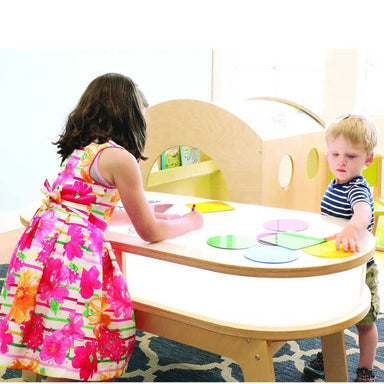
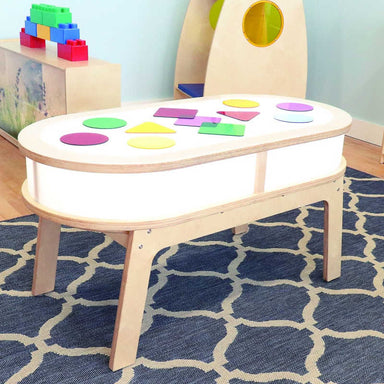
Sensory tables, sensory bin tables, and light tables create a place for hands on exploration. They can be used for tactile play, sorting, color exploration, building, water play, sand play, classroom activities, and calm seated sensory work.
Quiet Spaces and Reading Nooks
Quiet chairs, reading nooks, and cozy retreat furniture help create a defined place to pause. These pieces can be helpful in classrooms, therapy offices, daycare spaces, libraries, and home sensory rooms where users need a softer place to reset.
Waterbeds and Full Body Sensory Furniture
Sensory waterbeds and vibroacoustic waterbeds create a more immersive sensory experience. These products are typically used in dedicated sensory rooms, therapy clinics, and specialized calming spaces where full body support is part of the room design.
Why Sensory Furniture Matters in a Sensory Room
Sensory rooms are not just about lights and interactive equipment. The furniture shapes how the space is used. A chair can become a quiet reset spot. A light table can become an activity zone. A lounger can become a place to rest after overstimulation. A sensory table can create a hands on exploration area.
- Creates comfortable places to sit, rest, explore, or reset.
- Helps define zones within a sensory room.
- Supports calming routines and sensory breaks.
- Pairs well with sensory lights, bubble tubes, wall panels, and fiber optics.
- Offers options for home sensory rooms, classrooms, clinics, and shared spaces.
- Includes seating, tables, loungers, waterbeds, and quiet spaces.
Sensory Furniture for Schools, Clinics, and Home Sensory Rooms
A home sensory room may only need one calming chair, sensory table, or light table. A school or clinic may need more durable furniture that can handle repeated use throughout the day. The right sensory furniture depends on who will use the room, how often it will be used, and what type of sensory input the space needs most.
Sensory furniture is commonly used in:
- School sensory rooms.
- Special education classrooms.
- Occupational therapy clinics.
- Autism support spaces.
- Daycare and preschool sensory areas.
- Home sensory rooms and calming corners.
- Reading nooks, quiet rooms, and regulation spaces.
Sensory Furniture Brands We Carry
Extreme Kids World carries sensory furniture from trusted brands including Experia, TFH Special Needs Toys, and Whitney Brothers. These brands offer sensory seating, vibroacoustic furniture, sensory tables, light tables, quiet spaces, and classroom friendly furniture for home and professional environments.
If you are not sure which product is the right fit, start with the goal of the space. Do you need quiet seating, hands on sensory play, visual exploration, deep vibration based input, or a complete sensory room setup?
How to Pair Sensory Furniture With Other Sensory Room Equipment
Sensory furniture works best when it supports the rest of the room. A bubble tube can create calming visual movement. Sensory lights can soften the atmosphere. Sensory wall panels can provide hands on activity. Sensory furniture gives users a place to sit, rest, or engage with the space.
Sensory Furniture FAQs
What is sensory furniture?
Sensory furniture includes chairs, loungers, tables, light tables, waterbeds, quiet spaces, and other furniture designed to support sensory room activities, calming routines, tactile play, visual exploration, or body based sensory input.
Who uses sensory furniture?
Sensory furniture is used by families, schools, therapy clinics, daycare centers, special education programs, and sensory rooms. It can be helpful in spaces where users need a place to sit, rest, explore, or reset.
What is the difference between sensory furniture and regular furniture?
Regular furniture is usually designed only for seating, storage, or daily use. Sensory furniture is chosen for a specific purpose, such as calming, body based input, tactile play, light exploration, quiet breaks, or sensory room routines.
What sensory furniture is best for calming?
Relaxer chairs, therapy chairs, leaf chairs, quiet reading nooks, loungers, and vibroacoustic furniture are common choices for calming spaces. The best option depends on the user, the available space, and the type of sensory input needed.
What is vibroacoustic sensory furniture?
Vibroacoustic sensory furniture uses sound and vibration so users can feel low frequency input through the body. Chairs, loungers, platforms, and waterbeds are often used in sensory rooms and therapy spaces where deeper body based input is part of the room design.
Can sensory furniture be used in schools and therapy clinics?
Yes. Many sensory furniture products are designed for schools, therapy clinics, special education spaces, and shared sensory rooms. If you are ordering for a school, clinic, or organization, you can request a commercial quote.
Can sensory furniture be used at home?
Yes. Many families use sensory chairs, light tables, sensory tables, quiet spaces, and calming furniture in home sensory rooms, bedrooms, playrooms, or calming corners. Always review the product details, age guidance, weight limits, and supervision recommendations before use.
What should I pair with sensory furniture?
Sensory furniture pairs well with sensory lights, bubble tubes, fiber optics, sensory wall panels, and other sensory room equipment.
Create a Sensory Space That Feels Comfortable and Useful
Whether you are building a school sensory room, therapy clinic, daycare sensory area, or home calming corner, the right sensory furniture can help make the space more comfortable, organized, and supportive. Start with the type of sensory input your space needs most, or contact us for help comparing options.