Why Sensory Play Matters
Sensory play is more than fun, it's foundational. Research consistently shows that tactile, open-ended play helps children:
- Build fine motor skills and hand-eye coordination
- Develop language and descriptive vocabulary
- Practice focus, patience, and self-regulation
- Explore cause-and-effect relationships
- Engage in cooperative and parallel play with peers
What to Look for in a Sensory Table
-
Height adjustability — Accommodates standing toddlers and seated children in wheelchairs or therapy chairs
-
Drainage or removable bins — Makes water play cleanup fast and easy
-
Lid or cover — Keeps sensory materials fresh between sessions and doubles as a flat play surface
-
Weight capacity & stability — Especially important for classrooms and therapy environments
-
BPA-free, non-toxic materials — Non-negotiable for any product children interact with daily
Frequently Asked Questions
1. What age is a sensory table appropriate for?
Most sensory tables are designed for children ages 18 months and up. Toddlers benefit from simple water and sand play, while older preschoolers and school-age children enjoy more complex sensory materials like kinetic sand, water beads, or themed sensory bins. Always supervise young children and choose fillers appropriate for their developmental stage.
2. What can I put in a sensory table?
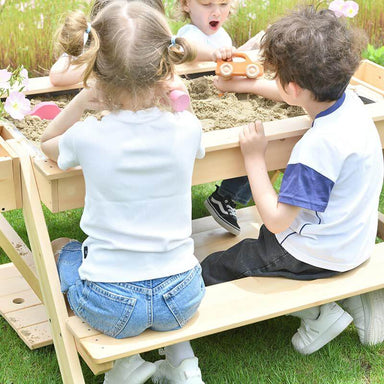
The options are nearly endless: water, sand, kinetic sand, dried rice or beans, cloud dough, shaving cream, water beads, pom-poms, foam pieces, seasonal themed materials, and more. Many families rotate fillers weekly to keep play fresh and engaging. Always match the filler to the child's age and supervision level.
3. Are sensory tables good for children with autism or sensory processing differences?
Yes — sensory tables are widely used in occupational therapy and special education settings. They provide controlled, predictable sensory input that can help children with sensory processing differences build tolerance, improve focus, and engage in therapeutic play.
4. Do sensory tables have removable bins?
Many sensory tables feature removable bins that can be rinsed or wiped down easily. For water play tables, look for models with a drain plug for fast emptying. Wipe down the frame and legs with a damp cloth and mild soap. Avoid harsh chemical cleaners on plastic bins. Allow to air dry fully before storing with a lid.
5. Can sensory tables be used outdoors?
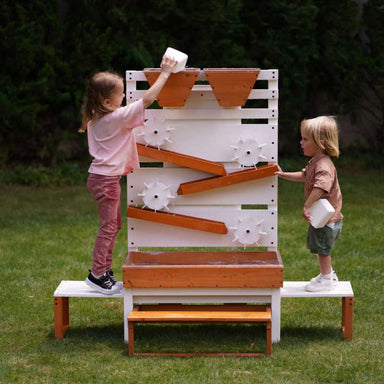
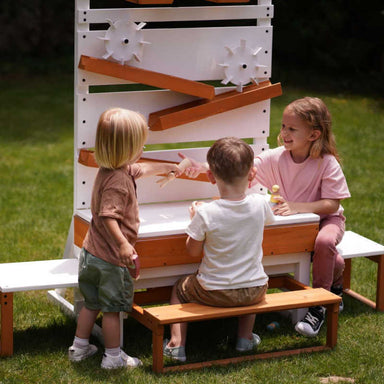
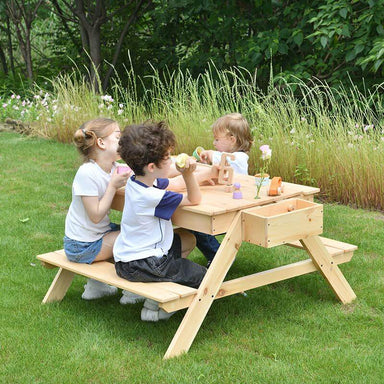
Many sensory tables are suitable for outdoor use, especially water and sand tables. Look for UV-resistant materials and rust-proof hardware if you plan to leave the table outside. Bring it indoors or cover it during extended periods of rain or direct sun to extend its lifespan.
6. Do sensory tables come with a lid?
Some models include a lid or cover; others offer it as an optional accessory. A lid is highly recommended — it keeps sensory materials contained between sessions, prevents debris from falling in, and doubles as a flat surface for art projects or building activities. Check each product listing for lid availability.
7. What is the difference between a water table and a sensory table?
A water table is specifically designed for water play and typically features waterproof bins, drain plugs, and splash-resistant design. A sensory table is a broader category — it can be used for water, sand, or any dry sensory material. Many sensory tables are multi-purpose and work well for both wet and dry play.
8. How tall should a sensory table be for a toddler?
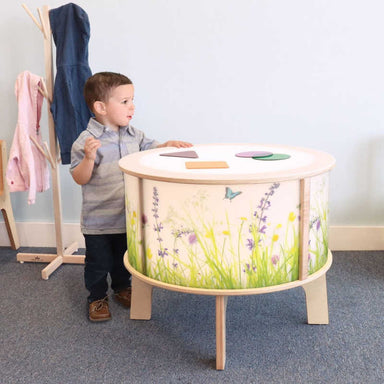
A good rule of thumb is that the table surface should sit at or just below the child's waist when standing. For most toddlers (ages 18 months–3 years), this is approximately 18–22 inches. Height-adjustable tables are ideal because they grow with the child and can also accommodate seated or wheelchair-using children.
10. Can I get a sensory table shipped to a school or therapy center?
Absolutely. We ship to residential and commercial addresses across the US. For schools, therapy centers, and daycares ordering multiple units, we offer wholesale pricing and can coordinate freight delivery for larger items. Reach out to our team to discuss your order.