

Sensory Texture Wheel
$1,625.00
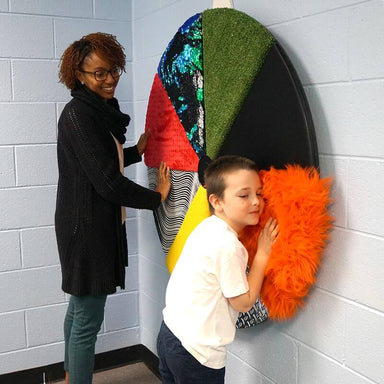
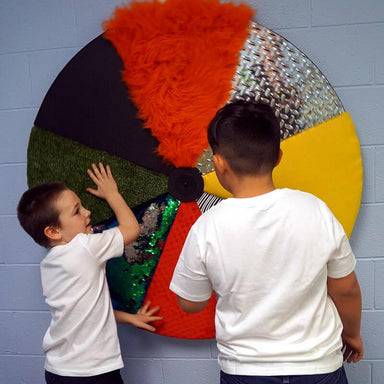
Discover Calming Sensory Exploration with Our Sensory Texture Wheel! Step into a world of tactile wonder with the Sensory Texture Wheel – a vibran...
View full detailsCreate a hands on sensory space with sensory wall panels designed for tactile exploration, visual engagement, fine motor practice, cause and effect play, and calming sensory room routines. This collection includes interactive sensory wall panels, textured tactile walls, Montessori busy boards, sound and light panels, and multi sensory wall features for schools, therapy clinics, daycare centers, and home sensory rooms.
Sensory wall panels are a smart way to add meaningful sensory play without taking up floor space. They can help turn a blank wall into a more engaging area for exploration, movement, touch, light, sound, and focused sensory breaks.
Building a complete sensory room? Pair sensory wall panels with sensory lights, bubble tubes, sensory furniture, or explore our full Sensory Room Equipment collection.
Ordering for a school, clinic, or government organization? Request a commercial quote and we can help with product selection, purchase orders, and freight questions.
Discover Calming Sensory Exploration with Our Sensory Texture Wheel! Step into a world of tactile wonder with the Sensory Texture Wheel – a vibran...
View full details

Learning Wall Panel That Turns Restless Waiting Into Calm, Focused Play If you’ve ever watched a toddler melt down in a waiting room, classroom, or...
View full details

Extra Large Mountain-Themed Busy Board That Turns Waiting Time Into Focused, Calm Play If you’ve ever watched kids get restless in a waiting room, ...
View full details

BumbleBeeSmart® Sensory Activity Panel That Turns Busy Hands Into Calm, Focused Play If your child is constantly grabbing, pulling, climbing, or ge...
View full details

Rod Wall Panel for Sensory Rooms That Gives Busy Hands a Purpose The Rod Wall Panel for Sensory Rooms turns a blank wall into a hands on sensory a...
View full details

Sound & Light Panel That Turns Voices Into Visual Focus Ever need a way to help kids use their voice with purpose—not louder, not quieter, jus...
View full details

Kinetic Wonder Wall Panel for Sensory Rooms When hands need something purposeful to do and brains need something interesting to focus on, the Kinet...
View full details

Gravity Wonder Wall for Sensory Rooms Some kids need movement to focus. Others need something calming to watch. And some need both—at the same time...
View full details

When someone walks into a sensory space, the first thing they often do is reach out and touch something. For children and adults with sensory needs...
View full details

Tactile Loopie Wall for Sensory Rooms That Builds Confidence Through Touch For kids who hesitate to touch—or can’t stop touching everything—the Ta...
View full details

UV Textured Wall for Sensory Rooms That Makes Sensory Input Finally Click If traditional sensory walls aren’t holding attention—or your UV room n...
View full details

BumbleBeeSmart® Montessori Play Wall Panel That Turns Chaos Into Calm, Focused Play If kids in your space are constantly grabbing, running, or gett...
View full details

Tranquil Textured Wall for Sensory Rooms That Helps Bodies Slow Down When a space feels too loud or visually busy, some kids (and adults) need som...
View full details

Some kids (and adults) don’t need more noise—they need something steady to touch. The Textured Tactile Wall for Sensory Rooms is designed for those...
View full details

BumblebeeSmart® Sensory Wall Panel That Turns Busy, Restless Kids Into Calm, Focused Explorers If kids in your space are constantly moving, grabbin...
View full details

BumblebeeSmart® Rounded Sensory Wall Panel Set That Turns Chaos Into Calm, Focused Sensory Play If your space feels noisy, chaotic, or hard to mana...
View full details

Pixels Pro Interactive Panel for Sensory Rooms Meet the panel that remembers. The Pixels Pro Interactive Panel for Sensory Rooms turns cause-and-ef...
View full detailsSensory wall panels can serve many different purposes. Some panels focus on touch and texture. Others add lights, sound, motion, fine motor activities, or interactive play. The best choice depends on the age of the users, the size of your wall, the type of sensory input you want, and whether the panel will be used at home, in a classroom, or in a therapy space.
Tactile sensory wall panels include textured surfaces, loops, columns, shapes, and hands on materials that invite users to touch, press, feel, and explore. These panels are often used in sensory rooms, therapy clinics, classrooms, and calming areas where tactile exploration is part of the space.
Interactive sensory wall panels encourage users to engage with movement, lights, sound, or cause and effect activities. These products are helpful when you want the wall to become an active part of the sensory room instead of a background feature.
Montessori busy boards and activity wall panels are designed for hands on learning, fine motor practice, and independent exploration. They are popular for playrooms, daycare centers, preschools, waiting rooms, and early childhood sensory spaces.
Sound and light panels add visual and auditory engagement to the room. They can be a good fit for users who enjoy color, sound, rhythm, cause and effect play, and interactive sensory experiences.
Multi sensory wall panel systems combine more than one type of input, such as touch, light, movement, and sound. These are often used in schools, clinics, sensory rooms, and larger play spaces where multiple users may need different types of sensory engagement.
Sensory wall panels give users something purposeful to do with their hands, eyes, and attention. They can create a more organized sensory space because the activity is fixed to the wall, easy to access, and available for repeated use throughout the day.
A sensory wall can work in many different environments. Schools and therapy clinics may need larger, more durable panels for repeated use. Home sensory rooms and playrooms may benefit from smaller activity panels or busy boards. Daycare and preschool spaces may use sensory wall panels to encourage touch, movement, problem solving, and independent play.
Sensory wall panels are commonly used in:
Sensory wall panels work best when they are part of a balanced room. A bubble tube can create visual calming. Sensory lights can soften the atmosphere. Sensory furniture can provide a place to sit and reset. Wall panels give users a hands on activity zone for interaction and exploration.
Most sensory wall panels require secure mounting to a wall. Some panels are simple activity boards, while others may include lights, sound, moving parts, or larger modular systems. Always review the product details and follow the manufacturer’s installation instructions before use.
For shared spaces such as schools, clinics, and daycare centers, consider the height of the users, the available wall space, supervision needs, and whether the panel will be used by one child at a time or multiple users throughout the day.
Sensory wall panels are wall mounted sensory tools that may include textures, lights, sounds, movement, mirrors, switches, shapes, or activity features. They are used to create a hands on sensory area without taking up floor space.
Sensory wall panels are used by schools, therapy clinics, daycare centers, preschools, families, and sensory rooms. They can be helpful for users who enjoy tactile exploration, cause and effect play, visual engagement, and fine motor activities.
No. Sensory wall panels can also be used in playrooms, classrooms, therapy offices, waiting rooms, daycare spaces, calming corners, and home activity areas.
A busy board usually focuses on hands on activities such as latches, wheels, switches, or manipulatives. A sensory wall panel may include those features, but can also include tactile textures, lights, sound, movement, mirrors, or larger multi sensory elements.
Some smaller panels may be simple to mount, while larger or heavier panels may require professional installation. Any wall mounted sensory equipment should be securely installed according to the manufacturer’s instructions.
Yes. Many sensory wall panels are designed for schools, therapy clinics, special education spaces, and shared sensory rooms. If you are ordering for a school, clinic, or organization, you can request a commercial quote.
Yes. Many families use sensory wall panels in playrooms, bedrooms, therapy areas, or home sensory rooms. Choose a size and style that fits your space, and always follow age guidance, supervision recommendations, and installation instructions.
Sensory wall panels pair well with sensory lights, bubble tubes, fiber optics, soft seating, sensory furniture, and other sensory room equipment.
Whether you are building a school sensory room, therapy clinic, daycare sensory area, or home play space, sensory wall panels can help make the room more interactive, organized, and engaging. Start with the type of sensory input your space needs most, or contact us for help comparing options.