

Sensory Texture Wheel
$1,625.00
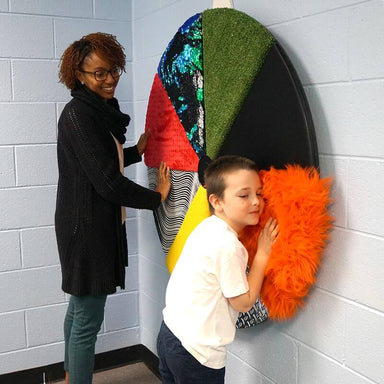
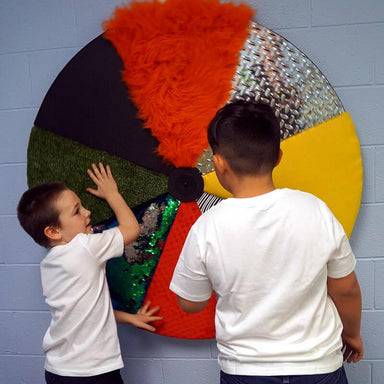
Discover Calming Sensory Exploration with Our Sensory Texture Wheel! Step into a world of tactile wonder with the Sensory Texture Wheel – a vibran...
View full detailsTransform any space with sensory wall panels that deliver rich tactile, visual, and auditory experiences. Trusted by occupational therapists, special education teachers, and families, our interactive sensory wall panels support sensory integration, self-regulation, and therapeutic play for children and adults with autism, ADHD, and sensory processing differences.
Discover Calming Sensory Exploration with Our Sensory Texture Wheel! Step into a world of tactile wonder with the Sensory Texture Wheel – a vibran...
View full details

Learning Wall Panel That Turns Restless Waiting Into Calm, Focused Play If you’ve ever watched a toddler melt down in a waiting room, classroom, or...
View full details

Extra Large Mountain-Themed Busy Board That Turns Waiting Time Into Focused, Calm Play If you’ve ever watched kids get restless in a waiting room, ...
View full details

BumbleBeeSmart® Sensory Activity Panel That Turns Busy Hands Into Calm, Focused Play If your child is constantly grabbing, pulling, climbing, or ge...
View full details

Rod Wall Panel for Sensory Rooms That Keeps Hands Busy and Minds Focused When bodies need movement and hands need purpose, the Rod Wall Panel for ...
View full details

Sound & Light Panel That Turns Voices Into Visual Focus Ever need a way to help kids use their voice with purpose—not louder, not quieter, jus...
View full details

Kinetic Wonder Wall Panel for Sensory Rooms When hands need something purposeful to do and brains need something interesting to focus on, the Kinet...
View full details

Gravity Wonder Wall for Sensory Rooms Some kids need movement to focus. Others need something calming to watch. And some need both—at the same time...
View full details

When someone walks into a sensory space, the first thing they often do is reach out and touch something. For children and adults with sensory needs...
View full details

Tactile Loopie Wall for Sensory Rooms That Builds Confidence Through Touch For kids who hesitate to touch—or can’t stop touching everything—the Ta...
View full details

UV Textured Wall for Sensory Rooms That Makes Sensory Input Finally Click If traditional sensory walls aren’t holding attention—or your UV room n...
View full details

BumbleBeeSmart® Montessori Play Wall Panel That Turns Chaos Into Calm, Focused Play If kids in your space are constantly grabbing, running, or gett...
View full details

Tranquil Textured Wall for Sensory Rooms That Helps Bodies Slow Down When a space feels too loud or visually busy, some kids (and adults) need som...
View full details

Some kids (and adults) don’t need more noise—they need something steady to touch. The Textured Tactile Wall for Sensory Rooms is designed for those...
View full details

BumblebeeSmart® Sensory Wall Panel That Turns Busy, Restless Kids Into Calm, Focused Explorers If kids in your space are constantly moving, grabbin...
View full details

BumblebeeSmart® Rounded Sensory Wall Panel Set That Turns Chaos Into Calm, Focused Sensory Play If your space feels noisy, chaotic, or hard to mana...
View full details

Pixels Pro Interactive Panel for Sensory Rooms Meet the panel that remembers. The Pixels Pro Interactive Panel for Sensory Rooms turns cause-and-ef...
View full detailsOur interactive sensory wall panels provide the tactile stimulation, visual engagement, and auditory feedback that children with autism spectrum disorder, ADHD, sensory processing disorder, and developmental delays need to thrive. Each panel promotes fine motor development, cause-and-effect learning, sensory exploration, and emotional regulation — whether in a clinic, classroom, or home.
Tactile Sensory Wall Panels – Textured surfaces encourage hands-on exploration, building sensory awareness and fine motor skills through varied materials and touch experiences.
Sound & Musical Sensory Wall Panels – Cause-and-effect sound panels promote rhythm development, auditory processing, and joyful engagement for all ability levels.
Visual Sensory Wall Panels – Light-based and UV-reactive panels create captivating visual experiences that support visual tracking, attention, and calming.
Multi-Sensory Wall Panel Systems – Combined tactile, visual, and auditory elements deliver comprehensive sensory integration therapy in a single wall installation.
We curate only premium-quality sensory wall panels that meet the rigorous standards of occupational therapists and special education professionals. Every product in this collection is selected for durability, therapeutic effectiveness, and ease of installation so you can focus on the child, not the setup.
Sensory wall panels are wall-mounted therapeutic tools that provide tactile, visual, or auditory stimulation. They are designed to support sensory integration, self-regulation, and developmental learning for children and adults with autism, ADHD, sensory processing disorder, and other sensory differences.
Sensory wall panels benefit individuals with autism spectrum disorder (ASD), ADHD, sensory processing disorder (SPD), developmental delays, cerebral palsy, and anxiety. They are widely used by occupational therapists, special education teachers, and parents to support sensory regulation and therapeutic play.
Most sensory wall panels mount to standard drywall or concrete using included hardware. Tactile panels typically require only secure wall mounting, while panels with lighting or sound features may need an electrical connection. Always follow the manufacturer's installation guidelines, and consult a professional installer for heavier or modular systems.
Absolutely. Many families install sensory wall panels in bedrooms, playrooms, or dedicated calm-down corners to provide ongoing therapeutic benefits at home. Home-use panels are designed to be safe, durable, and easy to install without professional help.
Tactile sensory wall panels feature varied textures, surfaces, and manipulatives that engage the sense of touch and build fine motor skills. Visual sensory wall panels use lights, colors, UV-reactive materials, or moving elements to engage the visual system and support attention, tracking, and calming.
Yes — our sensory wall panels are selected with child safety in mind. Look for panels with non-toxic materials, rounded edges, and secure mounting systems. Always check individual product listings for age recommendations and supervise young children during use.
For children with autism, sensory wall panels provide controlled sensory input that can reduce anxiety, improve focus, and support emotional regulation. They offer a safe, predictable way to explore sensory experiences, which is a core component of many occupational therapy and sensory diet programs.
Yes — our sensory wall panels are used in schools, pediatric therapy clinics, sensory gyms, daycares, and residential care facilities across the country. We offer institutional-grade options built for high-traffic environments.
Consider the primary sensory goals (tactile input, visual stimulation, auditory engagement), the available wall space, the age and ability level of the users, and whether the setting is home or institutional. Our team is happy to help, Reach out via chat or our contact page for personalized recommendations.
Most sensory wall panels are low-maintenance. Tactile panels can be wiped clean with a damp cloth, while electronic panels (sound or light) may require occasional battery replacement or bulb changes. Always follow the manufacturer's care instructions to ensure longevity and hygiene, especially in shared or clinical environments.