


When your kiddo’s bedroom has to handle sleep, play, getting dressed and all the stuff that comes with being a kid, figuring out where sensory equipment belongs can feel like one more project you don’t have time for.
You can start small. A sensory-friendly bedroom begins with noticing what feels comfortable to your child, making a few useful changes and choosing equipment that fits the room you actually have.
These sensory bedroom ideas will help you think through lighting, layout, seating and what deserves a place on your shopping list. You can make progress without buying everything at once.
Before you move furniture or order a projector, spend a little time looking at the room with your child. Ask what they like, what bothers them and where they feel comfortable. If they don’t explain those preferences in words, watch what they choose and avoid.
Do they turn off the overhead light? Push a scratchy blanket away? Choose the same quiet spot to look at books? Those observations give you a better starting point than copying a sensory room picture.
The National Autistic Society explains that sensory experiences vary, including how people respond to light, sound and textures. Preferences can also change. There isn’t one bedroom setup that suits every autistic child or every child with ADHD or sensory differences.
Choose one job for your first change: make reading more comfortable, reduce an irritating light or create an easier place to put toys away. That makes it easier to decide whether the change helps.
Start with the things your child already uses every day. A new light won’t solve an uncomfortable sheet or a room full of toys with nowhere to go.
The National Autistic Society’s sleep guide for parents includes reducing distracting light and noise and checking bedding comfort. It also recommends adapting changes to the individual child. If sleep difficulties persist, bring them to your child’s healthcare professional.
Think about when the light will be used. A colorful display your child enjoys during afternoon quiet time may be too interesting when it’s time to sleep.
When comparing sensory lights, look for controls that let you adjust the experience. Check whether you can change brightness, slow or stop movement, turn sound off and operate the light without moving it. Features differ by product.
Try one light effect at a time and ask your child what they think. If they keep watching, talking about or playing with it when you’re trying to end an activity, use it earlier in the day or switch it off for the sleep portion of the routine.
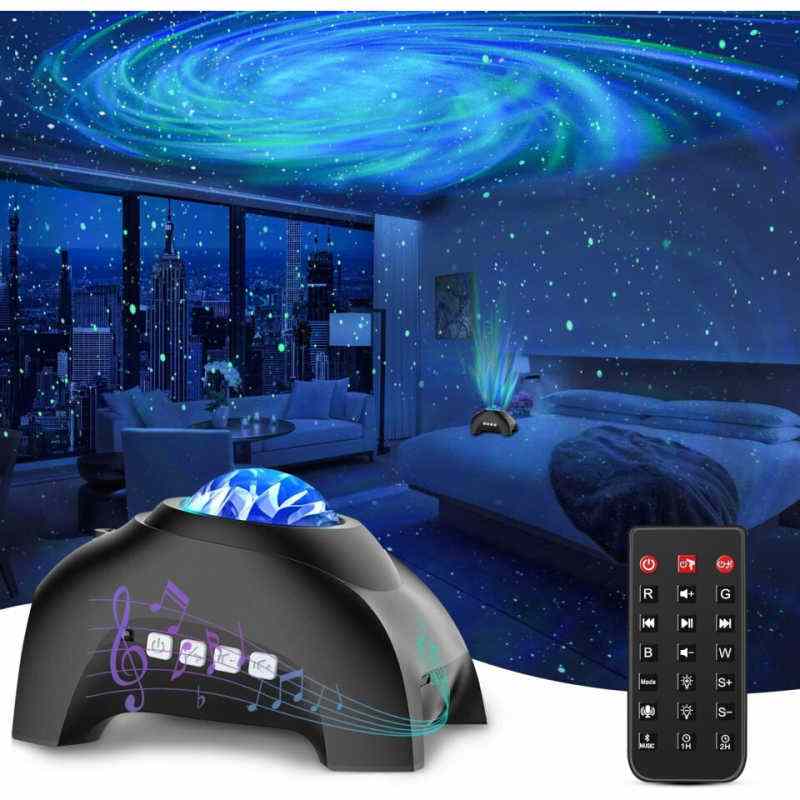
The Northern Lights Deluxe Projector offers adjustable brightness, speed and color combinations, a remote and an auto-off timer. Its listed size is 6.8 by 4.7 by 3.8 inches. It may suit a family looking for an adjustable aurora-style display for supervised quiet time. It is not for children under three.
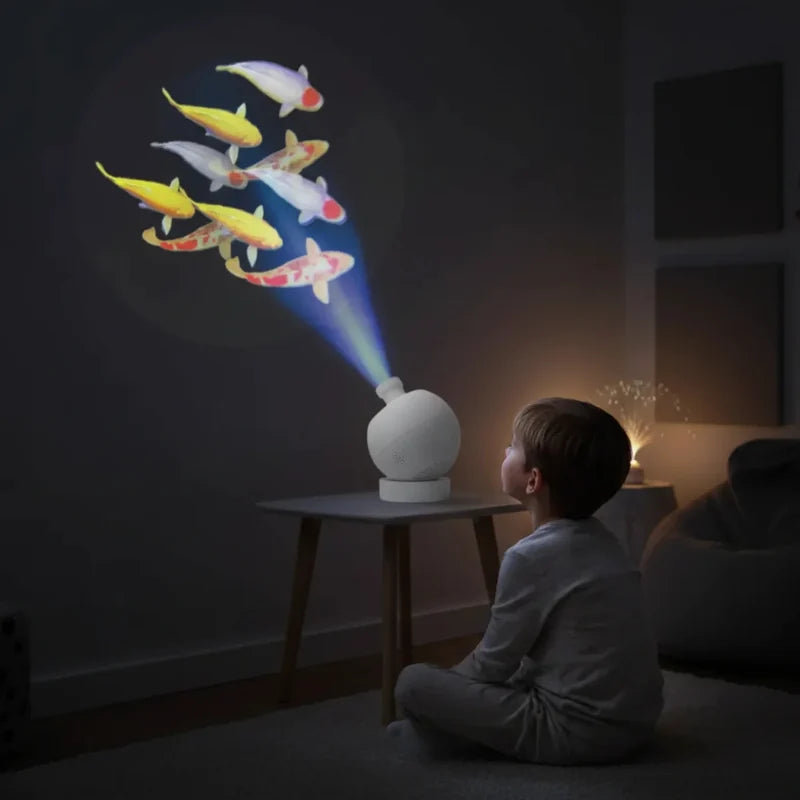
The Sensory Vista Pro Projector uses eight image discs for scenes such as nature, space and underwater views. Images can remain still or rotate. The body is approximately 6.7 inches across and 2 inches high, and the suggested age is three and up. Consider it if your child prefers recognizable pictures.
For either option, plan a stable location, a clear projection path and cord placement before ordering. Follow the manufacturer’s instructions for placement, supervision and use.
Measure the room with doors and drawers open. Include the space needed to get into bed, reach storage and walk through the room. A product’s footprint tells you only part of what it needs.
Here are three layouts to consider:
| Your room | A practical starting setup | What to check |
|---|---|---|
| A small bedroom | Keep the bed and storage in place. Add one adjustable light on a suitable existing surface and a small basket of familiar quiet activities. | Keep the route to the bed and doorway clear. Check cords and projection direction. |
| A shared bedroom | Give each child a defined storage area and choose a light location that can be switched off without disturbing the other child. | Consider both children’s preferences and where the light or sound travels. |
| A bedroom with extra floor space | Create a reading area away from the bed with suitable seating, a few books and one optional sensory activity. | Measure seating in use, including room to sit down, stand up and move around it. |
If you only need a dedicated spot for a short break, our calming corner ideas guide goes into more detail about choosing lighting, seating and simple tools.
Buy for the problem you identified. If the overhead light is the issue, start with lighting. If your child enjoys reading but has nowhere comfortable to sit, compare seating. If storage is frustrating, address that before adding more equipment.
Our crash pads and bean bags collection includes options for different activities. Choose by intended use, dimensions, age guidance and cleaning requirements. A bean bag for sitting and a crash pad for supervised movement serve different jobs. Neither should be treated as a replacement for a bed.
If your child already enjoys watching bubbles, read our bubble tube buying guide before choosing one. Plan for the base, any required support, power and maintenance access as well as the tube itself.
For a coordinated setup, explore our sensory room starter kits for home. Check the individual pieces against your room measurements and your child’s needs. You may only need part of a larger setup.
Some families have a separate playroom. Others need the bedroom to do several jobs. If you’re considering a swing, climbing equipment or a crash pad, work out the full activity area and supervision plan before deciding it belongs there.
A wall or ceiling attachment does not remove the need for clearance, suitable structural support and installation that follows the manufacturer’s instructions. Equipment should also be suitable for the child’s age and intended use.
When space is tight, you might keep movement activities elsewhere and use the bedroom for quieter choices. If your child has an occupational therapist, ask how the room can support their individual plan or sensory diet.
Change one thing at a time when you can. Keep a short note of what you changed, when your child used it and what they said or did. Did they choose the reading spot? Ask for a different light setting? Find the sound distracting?
Use those observations to make the next decision. You don’t need to keep a feature just because it looked good in a picture or worked for another family.
Yes. Begin with rearranging what you own, reducing unwanted light or noise and choosing comfortable familiar fabrics. Add one item when you know what job it needs to do.
No. A bubble tube is one option for visual sensory exploration. Your room, budget, maintenance preferences and child’s interests should guide whether it belongs in the setup.
A sensory display and an overnight light serve different purposes. Choose light levels around your child’s comfort and sleep needs, and follow the product’s instructions. A light your child enjoys during a quiet activity may be better switched off before sleep.
Contact Extreme Kids World with the products you’re considering and the documentation your program requests. We can help with product information and a quote. Confirm eligibility, approval steps and reimbursement rules with your program before purchasing.
Start with one useful change and build from there. An inviting reading spot, easier storage or adjustable lighting can be a manageable first project.
Explore sensory lights, browse our sensory room equipment, or ask us for help comparing options. Tell us your room measurements, your child’s age and what you want the space to do, and we’ll help you narrow the choices.
Leave a comment